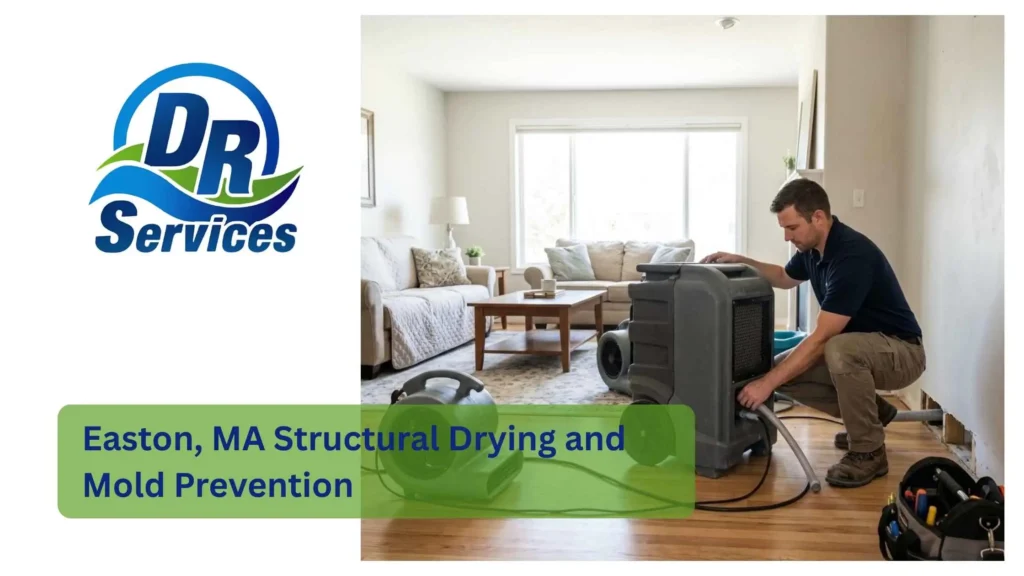
Water damage can affect your Easton, Massachusetts, property long after visible water disappears. A leaking pipe, basement flood, roof leak, or storm-related intrusion can leave moisture trapped inside drywall, flooring, insulation, and wooden framing. Without proper drying, this hidden moisture can encourage mold growth and contribute to long-term structural damage.
Effective Mold Prevention begins with identifying the source of moisture, removing standing water, and drying affected building materials thoroughly. Simply opening windows or running household fans may not be enough when water has penetrated walls, ceilings, or subfloors.
Easton homeowners face seasonal weather changes, cold winters, periods of heavy rain, and humid summer conditions. These factors make it important to respond quickly when moisture enters the home.
D.R. Services provides mold mitigation, mold removal, water damage restoration, and professional cleaning services in Easton and surrounding Massachusetts communities. Its approach focuses on addressing moisture-related problems and helping property owners reduce the risk of recurring mold growth.
Why Structural Drying Is Essential After Water Damage
Structural drying is the controlled process of removing moisture from building materials after a leak, flood, or other water-related incident. Water extraction removes standing water, while structural drying addresses moisture that remains inside porous materials and concealed spaces.
Even when floors look dry, water may remain beneath them. Drywall can feel dry on the surface while moisture persists behind the wall. Wooden framing and insulation may also hold water long after the original leak has stopped.
Hidden Moisture Can Cause Lasting Problems
Unaddressed moisture can contribute to several problems, including:
- Mold growth on damp surfaces and inside concealed areas.
- Swelling, warping, or deterioration of flooring and wood materials.
- Peeling paint, bubbling finishes, and damaged drywall.
- Persistent musty odors.
- Damage to insulation and other porous building materials.
The longer moisture remains, the more difficult restoration may become. Prompt assessment helps determine how far the water has spread and which materials need drying, cleaning, or removal.
Why Household Fans May Not Be Enough
Fans can improve airflow, but they do not necessarily remove enough moisture from a water-damaged structure. Professional structural drying uses controlled airflow and dehumidification to help moisture leave affected materials.
Moisture measurements also matter. A room that feels comfortable is not necessarily dry inside its walls or beneath its flooring. Professionals can monitor affected materials to evaluate drying progress rather than relying only on appearance.
Common Causes of Moisture Problems in Easton Homes
Understanding how water enters a property helps homeowners recognize when structural drying and Mold Prevention services may be necessary.
Basement Leaks and Flooding
Basements can experience water intrusion from foundation seepage, drainage problems, plumbing failures, or heavy rainfall. Because these spaces may receive less ventilation than upper floors, dampness can remain unnoticed.
Watch for musty smells, damp stored belongings, discoloration near the floor, or water marks on basement walls. These signs warrant investigation, particularly after a storm or plumbing incident.
Plumbing Leaks
A leaking pipe beneath a sink or behind a wall can release water gradually. Because the leak may be hidden, homeowners might not notice it until paint begins peeling or a musty odor develops.
Repairing the plumbing problem is essential, but the surrounding building materials may also need professional moisture assessment and drying.
Roof and Window Leaks
Damaged roofing materials, deteriorated seals, and poorly managed rainwater can allow moisture into ceilings, wall cavities, and window surrounds.
Water stains may appear some distance from the actual entry point. An assessment should consider where the water originated, not just where the damage is visible.
Bathroom and Kitchen Moisture
Bathrooms and kitchens naturally produce moisture through showers, cooking, and washing. Inadequate ventilation or persistent plumbing leaks can allow moisture to accumulate around cabinets, walls, and fixtures.
Regular ventilation and timely repairs can help reduce these risks. If building materials become saturated or mold appears, additional assessment may be needed.

How Professional Structural Drying Works
Effective drying involves more than removing visible water. The process should account for affected materials, the extent of water intrusion, and the amount of moisture remaining after extraction.
Step 1: Inspect the Affected Areas
The restoration team evaluates visible damage and identifies areas that may contain hidden moisture. Depending on the situation, this may include basement walls, flooring, ceilings, insulation, and areas around plumbing fixtures.
The source of the water should also be identified and addressed. Drying cannot succeed if an active leak continues introducing moisture.
Step 2: Remove Standing Water
When water has accumulated on floors or inside a basement, extraction is an important early step. Removing bulk water helps limit continued saturation and prepares the property for drying.
The appropriate method depends on the amount of water, the affected surfaces, and whether the water may be contaminated.
Step 3: Set Up Drying and Dehumidification Equipment
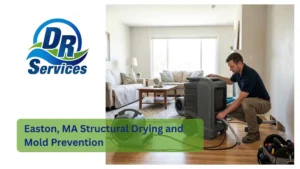
Professional air movers and dehumidifiers help manage airflow and remove moisture from the indoor environment. Equipment placement should reflect the layout of the affected area and the materials that need drying.
Some situations may require additional access to concealed spaces. Materials that are saturated, contaminated, or no longer suitable for restoration may need removal.
Step 4: Monitor Moisture Levels
Drying should continue until affected materials reach appropriate drying targets. Technicians can use moisture measurements to assess progress and determine whether equipment placement or the drying strategy needs adjustment.
This monitoring helps avoid the mistake of assuming that a surface is dry simply because it no longer feels wet.
Step 5: Address Mold and Restore the Property
If mold is present, drying alone may not resolve the problem. Mold remediation may require containment, removal of contaminated materials, cleaning, and correction of the moisture source.
D.R. Services offers mold mitigation and mold removal services to help address existing mold concerns and reduce the likelihood of recurrence. The appropriate work depends on the property’s condition and the extent of contamination.
Why Mold Prevention Requires Moisture Control
Mold needs moisture to grow. Although mold spores occur naturally in the environment, persistent dampness can create conditions that support growth on susceptible materials.
For homeowners, the most effective prevention strategy is to control moisture rather than relying on surface cleaning alone.
Repair Water Sources Promptly
Fix plumbing leaks, address roof damage, and investigate recurring basement seepage. If water enters the property after heavy rain, assess drainage and other possible entry points.
A restoration professional can help evaluate damage caused by an incident, while a qualified plumber, roofer, or foundation specialist may be needed to correct the underlying source.
Control Indoor Humidity
Use bathroom exhaust fans and kitchen ventilation when appropriate. In damp basements, a dehumidifier may help manage humidity, provided the underlying water problem has been addressed.
The U.S. Environmental Protection Agency generally recommends keeping indoor relative humidity below 60%, ideally between 30% and 50% when practical.
Dry Wet Materials Quickly
Wet carpets, drywall, insulation, and other porous materials require prompt attention. Depending on how wet they are, how long they remained wet, and the type of water involved, they may be candidates for drying or may require removal.
Avoid covering damp materials with new paint, flooring, or finishes. Trapped moisture can contribute to recurring problems.

Signs You May Need Professional Mold Mitigation
Not every moisture issue requires extensive restoration, but certain warning signs indicate that a closer inspection is appropriate.
Persistent Musty Odors
A musty smell may indicate damp materials or mold growth in an area that is not immediately visible. Look for possible moisture sources, especially after a leak or basement flood.
Visible Mold or Discoloration
Dark, greenish, or other unusual spots on walls, ceilings, flooring, or stored belongings may indicate mold or another surface problem. Avoid disturbing extensive growth because this can spread contaminated dust and debris.
Peeling Paint and Warped Flooring
Bubbling paint, swollen baseboards, and buckled flooring can indicate moisture inside building materials. These signs should be investigated rather than covered with new finishes.
Recurring Problems After Cleaning
If mold or musty odors return after surface cleaning, the underlying moisture source may still be present. Professional evaluation can help identify the cause and determine whether remediation or additional drying is necessary.
People with asthma, allergies, or other respiratory concerns may be more sensitive to mold exposure. If mold contamination is extensive, hidden, or associated with ongoing water damage, professional assistance is advisable.
Why Choose D.R. Services in Easton, MA?
D.R. Services provides mold mitigation, mold removal, water damage services, and professional cleaning for residential and commercial properties in Easton and nearby communities.
The company emphasizes tailored service, thorough mold mitigation, and solutions intended to help prevent future mold growth.
Support for Moisture-Related Problems
Water damage and mold are often connected. Addressing only visible mold without correcting the moisture source can allow the problem to return.
D.R. Services focuses on mold mitigation and prevention strategies that consider moisture problems as part of the overall restoration process.
Service for Easton and Nearby Communities
D.R. Services lists Easton among its service areas and serves communities throughout parts of Norfolk, Plymouth, and Bristol counties.
Its website advertises 24-hour service, which can be useful when property owners need to discuss a water damage or mold concern outside standard business hours.
A Professional Approach to Restoration
The appropriate response to water damage depends on the type of water, affected materials, and extent of the problem. A professional assessment can help determine which areas require drying, cleaning, mold remediation, or further repairs.
Homeowners should ask about the proposed scope of work, drying verification, safety precautions, and any necessary follow-up before restoration begins.
A Hypothetical Example: Preventing Mold After a Basement Leak
Imagine an Easton homeowner discovers water near a basement wall after several days of rain. The visible water is removed, and the floor appears dry, but a musty odor develops a few days later.
A restoration professional assesses the affected area and finds that moisture remains in portions of the wall and nearby materials. The team recommends appropriate drying measures and evaluates whether any materials require removal or mold remediation.
The homeowner also investigates the water entry point and arranges the necessary repairs.
This hypothetical situation shows why removing standing water is only one part of recovery. Structural drying, moisture monitoring, and correcting the source of water all contribute to effective Mold Prevention.
Schedule Structural Drying and Mold Prevention in Easton
Water damage can create problems that are not immediately visible. Moisture trapped inside walls, floors, ceilings, and insulation can contribute to mold growth and material deterioration if it is not addressed properly.
Professional structural drying helps remove excess moisture, while Mold Prevention focuses on correcting the conditions that allow mold to develop. Together, these measures can help protect your property’s structure and support a more complete recovery after water damage.
D.R. Services provides mold mitigation and related restoration services for Easton, MA, and surrounding communities. If you have experienced a leak, basement flooding, or persistent moisture problem, arrange an assessment rather than relying on surface cleaning alone.
Contact D.R. Services at (508) 230-7847 or visit the official Mold Mitigation service page to discuss your property and request a service estimate.
Frequently Asked Questions
1. What is structural drying?
Structural drying is the controlled removal of excess moisture from building materials after water damage. It may involve water extraction, air movers, dehumidification, and moisture monitoring to assess drying progress.
2. How does structural drying help with Mold Prevention?
Thorough drying reduces the excess moisture that mold needs to grow. It is particularly important after leaks, flooding, or other incidents that saturate drywall, flooring, insulation, and framing.
3. How quickly should I respond to water damage?
Act as soon as possible. Mold can begin growing within approximately 24 to 48 hours under favorable conditions. Prompt water removal and drying can help reduce the risk of mold growth and further damage.
4. Can I prevent mold by using a household fan?
A fan may improve airflow, but it may not remove moisture trapped inside walls, floors, or other porous materials. Significant water damage may require professional extraction, dehumidification, and moisture monitoring.
5. Does D.R. Services provide mold mitigation in Easton, MA?
Yes. D.R. Services lists mold mitigation and mold removal among its services and includes Easton in its service area. Contact the company to discuss your situation and confirm the services appropriate for your property.
6. What should I do if mold keeps returning?
Investigate the moisture source instead of repeatedly cleaning the visible area. Persistent mold may require professional assessment, correction of leaks or humidity problems, and appropriate remediation.
7. How can I contact D.R. Services?
Call (508) 230-7847 or visit drsmass.com/mold-mitigation to learn more about mold mitigation and prevention services.