When water damage strikes a high-rise building, the consequences can be far more complicated than a typical home or office flood. Whether caused by a burst pipe, sprinkler malfunction, roof leak, or storm event, water intrusion in multi-story structures can spread rapidly through walls, ceilings, and floors, impacting multiple units and systems at once.
For property managers and owners in Easton, MA, effective water removal isn’t just about drying up the mess; it’s about restoring safety, preventing structural damage, and minimizing costly downtime. Let’s explore the unique challenges high-rise buildings face and how professional restoration services handle them efficiently and safely.
Understanding the Complexity of High-Rise Water Damage
Unlike single-family homes, high-rise buildings feature complex systems that make water removal more demanding.
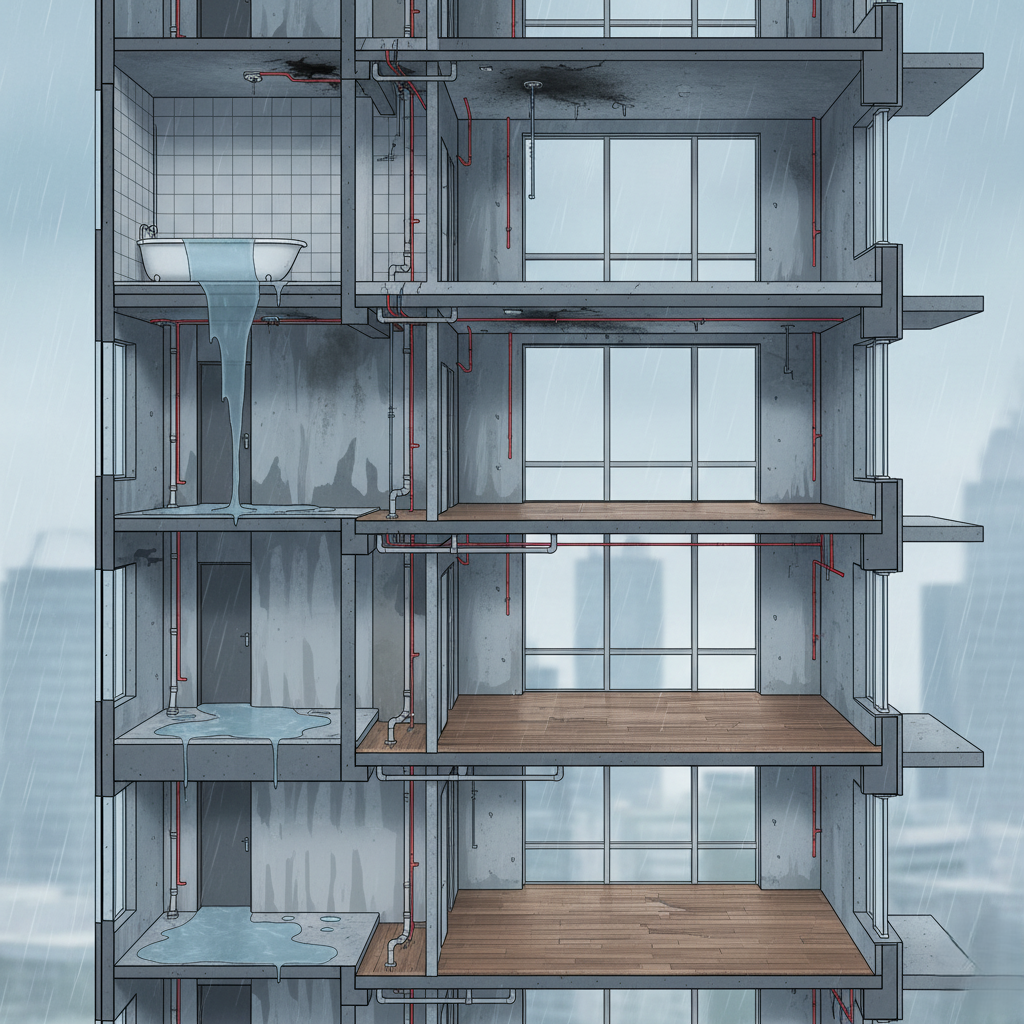
Vertical Water Migration
When water escapes in a high-rise, gravity pulls it downward, often spreading through multiple floors. A single pipe break on the 10th floor can impact units several stories below, damaging walls, ceilings, insulation, and even electrical systems.
Structural and Accessibility Challenges
Water can easily get trapped in concrete subfloors, elevator shafts, and HVAC systems. Reaching these areas requires specialized extraction tools and high-powered dehumidifiers designed for large, vertical structures.
Multiple Stakeholders Involved
In Easton’s multi-story residential and commercial complexes, restoration efforts must coordinate with:
- Property managers
- Building owners and tenants
- Insurance adjusters
- Maintenance and facility teams
This makes communication and efficiency key during cleanup and recovery.
Common Causes of Water Damage in High-Rise Buildings
While every incident is unique, certain issues tend to occur more frequently in Easton’s modern and older high-rise structures alike.
- Burst or leaking pipes – Often due to cold weather, corrosion, or faulty plumbing joints.
- Fire sprinkler malfunctions – Can flood multiple floors quickly if triggered accidentally.
- Roof or window leaks – Caused by heavy New England rainstorms or poor sealing.
- HVAC and appliance overflows – Clogged drains or malfunctioning units can cause interior flooding.
- Drain and sewer backups – Particularly in older Easton buildings with outdated plumbing infrastructure.
Why Fast, Professional Water Removal Is Critical
The longer water lingers inside a high-rise building, the greater the risk of permanent structural damage and mold growth. Within 24–48 hours, soaked materials like drywall and carpeting can begin to develop mold, while trapped moisture weakens flooring and electrical systems.
Professional water removal teams in Easton, MA act fast to prevent:
- Mold and mildew outbreaks that affect air quality and health
- Damage to electrical and HVAC systems
- Weakened structural materials
- Costly insurance claims and downtime
The Professional Water Removal Process in High-Rise Buildings
Unlike residential cleanup, high-rise water removal requires advanced tools, safety protocols, and expert coordination. Here’s how professional restoration teams handle the process from start to finish.
Step 1 – Detailed Inspection and Moisture Mapping
Using infrared cameras and moisture meters, professionals identify where water has migrated, often behind walls, under flooring, and within ceiling cavities. This step ensures no hidden moisture pockets are missed.
Step 2 – Rapid Water Extraction
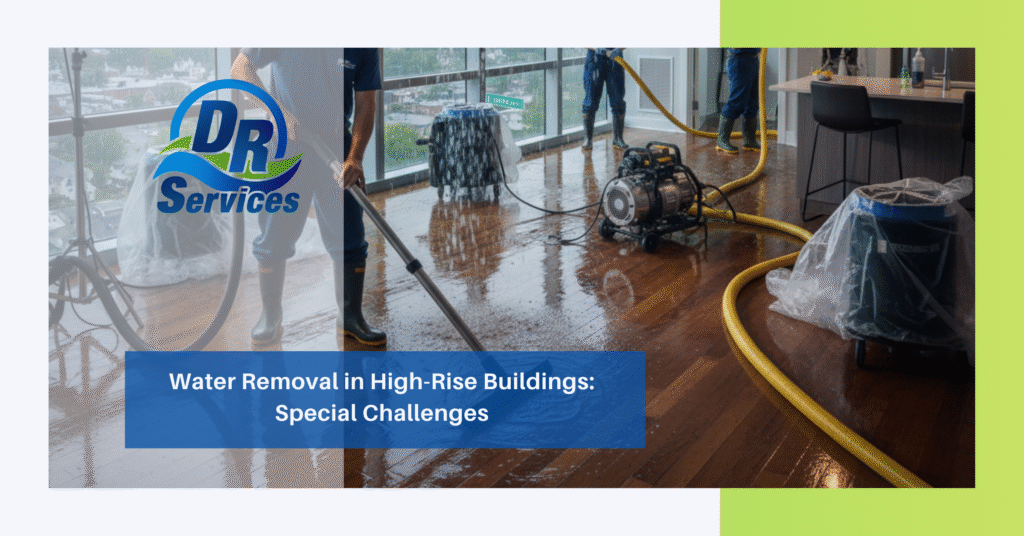
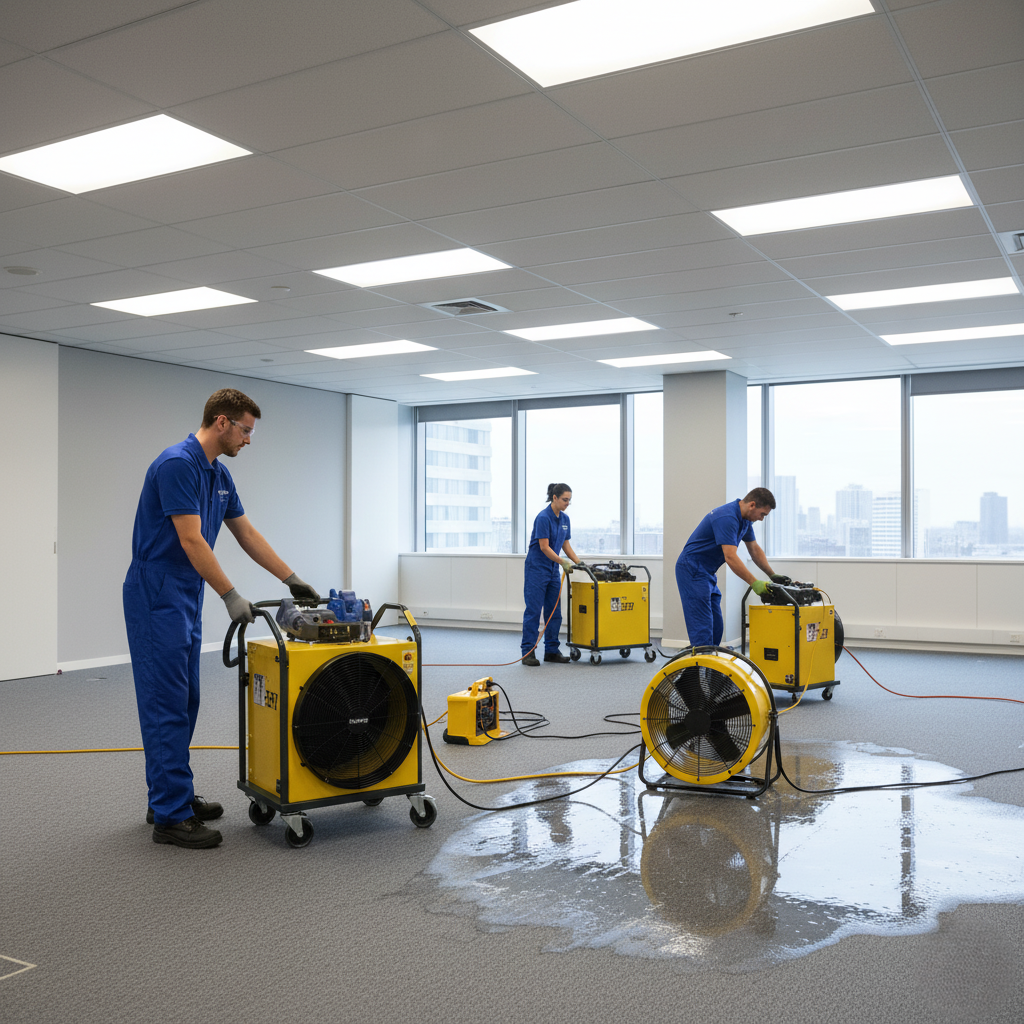
High-powered extraction pumps and wet vacuums are used to remove standing water. In multi-story buildings, technicians often rely on portable extractors for upper floors where heavy truck-mounted units can’t reach.
Step 3 – Industrial Drying and Dehumidification
Once visible water is removed, industrial-grade dehumidifiers and air movers work to pull moisture from walls, concrete, and furnishings. Specialized equipment, like desiccant dehumidifiers, is ideal for large-scale structures in Easton’s variable climate.
Step 4 – Sanitization and Mold Prevention
After drying, affected areas are cleaned and disinfected with antimicrobial solutions to prevent odor, mold, and bacterial growth, essential in shared living spaces and offices.
Step 5 – Structural Repairs and Restoration
The final stage involves replacing damaged materials such as drywall, flooring, and insulation. Restoration professionals ensure the building meets Massachusetts building codes and safety standards before reoccupation.
Special Challenges for Easton, MA’s High-Rise Buildings
Weather and Climate Factors
Easton’s humid summers and cold, wet winters make moisture control even more critical. Without proper dehumidification, condensation and residual dampness can lead to mold or long-term deterioration.
Infrastructure and Age
Some of Easton’s older multi-story buildings have aging plumbing and insulation, increasing the likelihood of leaks. Retrofitting and maintenance are key components of prevention.
Access and Logistics
Getting drying equipment, technicians, and extraction tools up multiple stories requires planning. Water removal companies must comply with elevator load limits, safety protocols, and tenant accessibility needs.
Preventive Maintenance Tips for High-Rise Property Managers
While emergencies can’t always be avoided, regular inspections and maintenance can drastically reduce the risk of severe water damage.
- Inspect plumbing regularly for corrosion, leaks, and weak joints.
- Schedule roof and window seal maintenance before the heavy rain seasons.
- Install smart leak detection sensors near major water sources.
- Clean and maintain HVAC and drainage systems annually.
- Ensure insurance coverage is up-to-date for all water-related incidents.
Partnering with a professional water damage restoration service in Easton helps create a preventive plan tailored to your building’s age, size, and design.
Why DIY Water Removal Isn’t Enough
While it might be tempting for maintenance teams to tackle water cleanup, high-rise water damage is not a simple mop-and-dry job. Improper drying can trap moisture behind walls and floors, creating ideal conditions for mold and long-term structural decay.
Professional restoration companies use industrial drying technology, moisture tracking tools, and trained technicians to ensure every hidden space is thoroughly dried and sanitized.
Choosing the Right Water Removal Partner in Easton, MA
When selecting a restoration company, look for professionals who:
- Offer 24/7 emergency response for rapid water removal
- Are IICRC-certified (Institute of Inspection Cleaning and Restoration Certification)
- Have experience with commercial and high-rise buildings
- Provide insurance coordination and documentation for claims
- Use eco-friendly drying and sanitization techniques
With the right partner, you can minimize downtime, protect your property’s reputation, and ensure a safe, fully restored environment for residents and tenants.
Call to Action – Protect Your Easton Property with Professional Water Removal Services
When water damage strikes your high-rise in Easton, MA, every minute counts. Don’t risk further damage with slow or incomplete cleanup. Our professional water damage restoration team specializes in high-rise water extraction, advanced drying, and full property restoration, keeping your structure safe and operational.
We provide 24/7 emergency response, comprehensive inspections, and customized drying solutions for commercial and residential buildings alike.
Contact us today for expert water removal services in Easton, MA, and experience the confidence that comes with working with trusted restoration professionals.