
Black mold is one of the most serious problems a commercial building can face. Once it takes hold, it spreads quickly, causing structural damage, poor air quality, and significant health risks. In commercial properties, the stakes are even higher; mold can disrupt operations, lead to legal liability, and tarnish your company’s reputation.
In Easton, Massachusetts, where humidity and seasonal moisture are common, commercial buildings can become prime breeding grounds for mold if not properly maintained. That’s why acting fast isn’t just recommended, it’s essential.
What Is Black Mold and Why Is It So Dangerous
Black mold, scientifically known as Stachybotrys chartarum, thrives in damp, poorly ventilated environments. Unlike regular mildew, black mold can produce mycotoxins, which are harmful compounds that may cause allergic reactions and respiratory issues.
In commercial spaces, such as offices, warehouses, retail stores, or restaurants, this can have serious consequences for employees, customers, and your bottom line. Common health symptoms associated with black mold exposure include:
- Persistent coughing and sneezing
- Eye and throat irritation
- Headaches and fatigue
- Aggravation of asthma or allergies
Even if symptoms seem mild, prolonged exposure can lead to more serious health issues, making quick remediation a priority for responsible business owners.
Why Commercial Buildings Are Especially Vulnerable in Easton
Easton’s climate includes periods of heavy rain, snowmelt, and fluctuating humidity levels. These factors make commercial properties susceptible to hidden leaks, condensation issues, and water intrusion, ideal conditions for mold growth.
Some common risk areas include:
- HVAC systems and air ducts
- Ceilings and attics
- Bathrooms and kitchens
- Basements and storage rooms
- Around windows and plumbing lines
Without proactive maintenance and inspections, black mold can grow undetected behind walls, under flooring, or above ceiling tiles, only becoming visible once the damage is severe.
The High Cost of Delaying Mold Removal
1. Health and Safety Risks
Allowing black mold to linger in your building puts your employees and visitors at risk. Even low-level exposure can result in respiratory discomfort, which can affect productivity and attendance. In some cases, businesses may face liability issues if workers or customers are affected by mold exposure on-site.
2. Structural Damage
Mold doesn’t just live on the surface; it penetrates porous materials like drywall, wood, and insulation. Over time, this leads to weakening of the building’s structure, costly repairs, and potential code violations.
3. Legal and Compliance Issues
Businesses in Massachusetts are required to maintain safe working environments. If mold is ignored, you may face OSHA violations, fines, or lawsuits, especially if employees report health problems.
4. Business Disruption
Mold remediation can become a much bigger project if delayed, often requiring temporary closures, relocation, or extended downtime. Acting fast minimizes these disruptions and protects your revenue.
5. Reputational Damage
Nothing turns away customers faster than musty odors, visible mold, or health complaints linked to your property. Quick removal shows clients and employees that you prioritize safety and cleanliness.

Professional Mold Removal vs. DIY: Why Expertise Matters
When dealing with black mold in a commercial setting, this is not a DIY project. While store-bought cleaners may remove surface mold temporarily, they don’t address the underlying moisture problem or hidden growth.
Professional mold remediation specialists use advanced tools such as:
- Moisture detection equipment
- HEPA filtration systems
- Containment barriers to prevent spreading
- Specialized antimicrobial treatments
They also follow strict safety protocols to protect both workers and occupants, something DIY efforts can’t guarantee.
The Professional Mold Remediation Process
When you call in experts for black mold removal in Easton, the process typically involves:
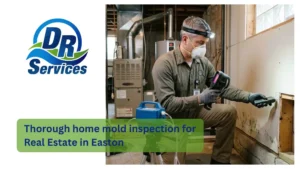
- Inspection & Testing: Identifying the source and extent of the mold problem.
- Containment: Preventing spores from spreading to other areas.
- Air Filtration: Using HEPA filters to capture airborne mold spores.
- Removal of Contaminated Materials: Safely disposing of affected drywall, insulation, or carpets.
- Cleaning & Sanitizing: Applying antimicrobial solutions to affected surfaces.
- Moisture Control: Addressing leaks or ventilation issues to prevent regrowth.
- Final Clearance Testing: Ensuring the air and surfaces are mold-free before reopening the space.
Preventing Mold in the Future
After removal, prevention is key. Commercial properties in Easton should follow these best practices:
- Schedule regular HVAC maintenance to prevent condensation buildup.
- Inspect plumbing and roofing systems after heavy rain or snow.
- Use dehumidifiers in basements and storage areas.
- Ensure proper ventilation in bathrooms, kitchens, and high-moisture zones.
- Schedule routine professional inspections to catch early warning signs.
The Advantage of Partnering with a Professional Mold Removal Service
When you partner with a certified mold remediation team, you’re not just removing mold; you’re protecting your property investment, staff health, and business reputation. Professionals bring:
- Certified expertise in handling toxic mold safely
- Fast response times to prevent spreading
- Compliance with Massachusetts safety and environmental regulations
- Long-term solutions, not just quick fixes
Call to Action, Protect Your Business Today
Don’t let black mold threaten the safety of your commercial property. If you suspect or see signs of mold growth, act immediately. Fast action minimizes damage, reduces health risks, and keeps your business operating smoothly.
Call us today for professional black mold removal and let our certified team restore your commercial space to a safe, clean, and healthy environment.