Mold is a year-round concern for homeowners in Easton, Massachusetts, thanks to fluctuating temperatures, high humidity, and old structural designs common in New England homes. When mold appears or moisture becomes a problem, most people assume they need “mold testing,” but that isn’t always the right service. In many cases, homeowners actually need a mold inspection, which identifies where the mold is coming from and how far it has spread.
Understanding the difference between these two services can save you time, money, and stress, especially if you want long-term results instead of temporary fixes. As Easton’s trusted mold remediation professionals, we break down what each service involves and when you should choose one over the other.
What is Mold Inspection?
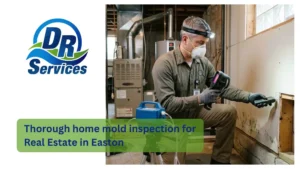
A mold inspection is a full visual assessment performed by trained professionals to locate mold, moisture sources, and structural issues contributing to mold growth. The purpose is not only to confirm that mold is present—but to understand why it is there.
What Mold Inspection Includes:
1. Full Interior and Exterior Assessment
Professionals examine:
- Basements
- Attics
- Bathrooms
- Kitchens
- Crawl spaces
- Foundations
- HVAC systems
This helps identify visible mold, odors, water damage, and leaks.
2. Moisture Mapping
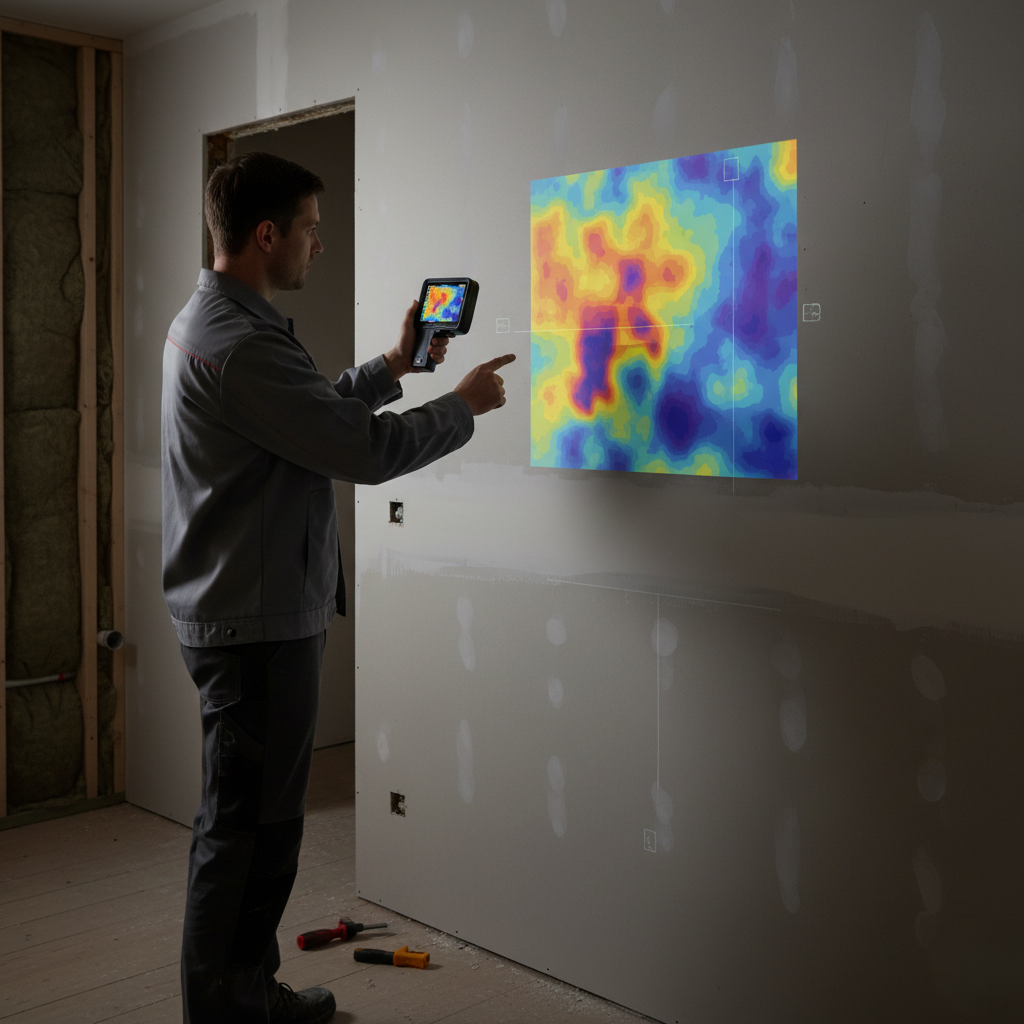
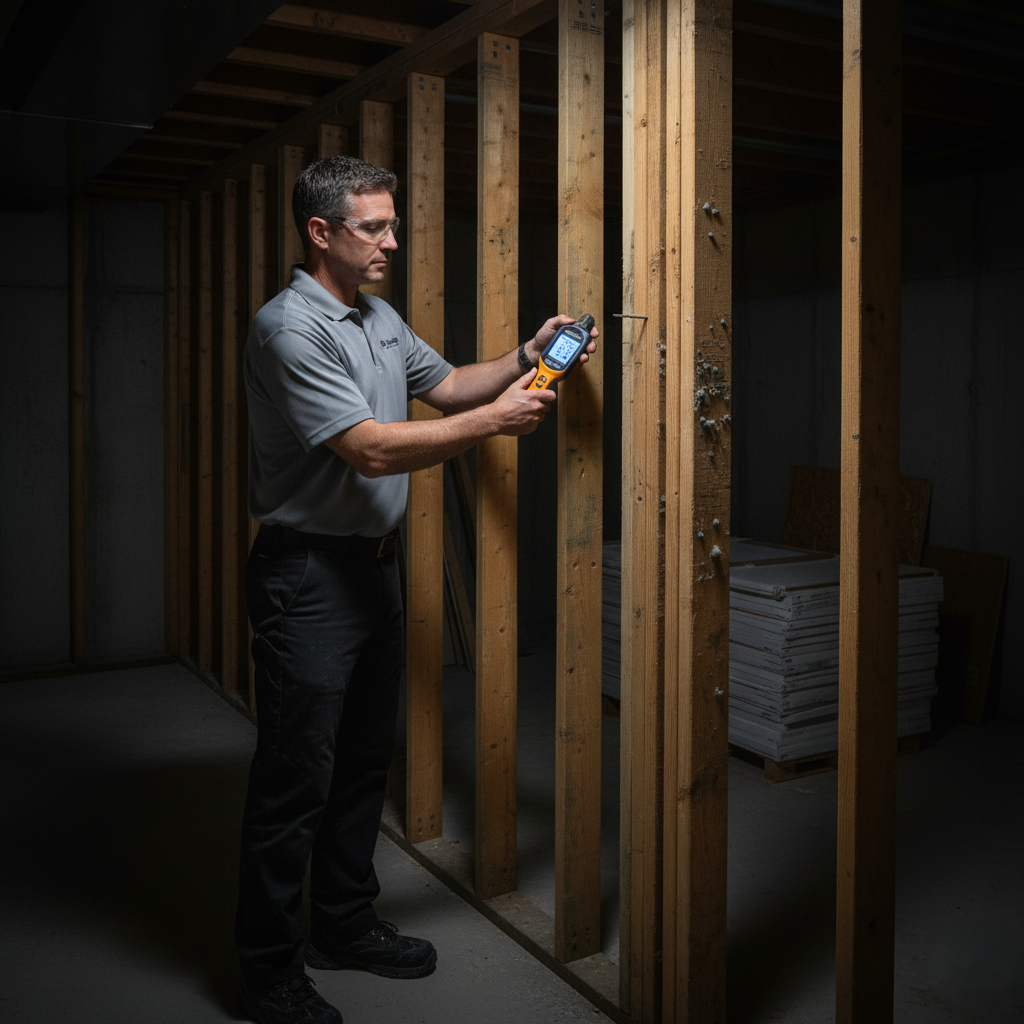
Moisture is the root cause of mold in Easton homes. Inspectors use tools like:
- Moisture meters
- Thermal imaging cameras
- Hygrometers
These identify hidden moisture behind walls, under flooring, or inside insulation.
3. Airflow & Humidity Evaluation
Many older Easton homes struggle with poor ventilation. Professionals check:
- Humidity levels
- Air circulation
- Bathroom fan performance
- Basement airflow
This provides insight into mold-friendly conditions.
4. Leak and Water Intrusion Detection
Professionals look for:
- Roof leaks
- Foundation seepage
- Pipe leaks
- Window condensation
- Ice dam damage
These sources cause the majority of mold problems in Massachusetts homes.
Key Point:
A mold inspection focuses on finding the source and extent of mold, not measuring mold particles.
What is Mold Testing?
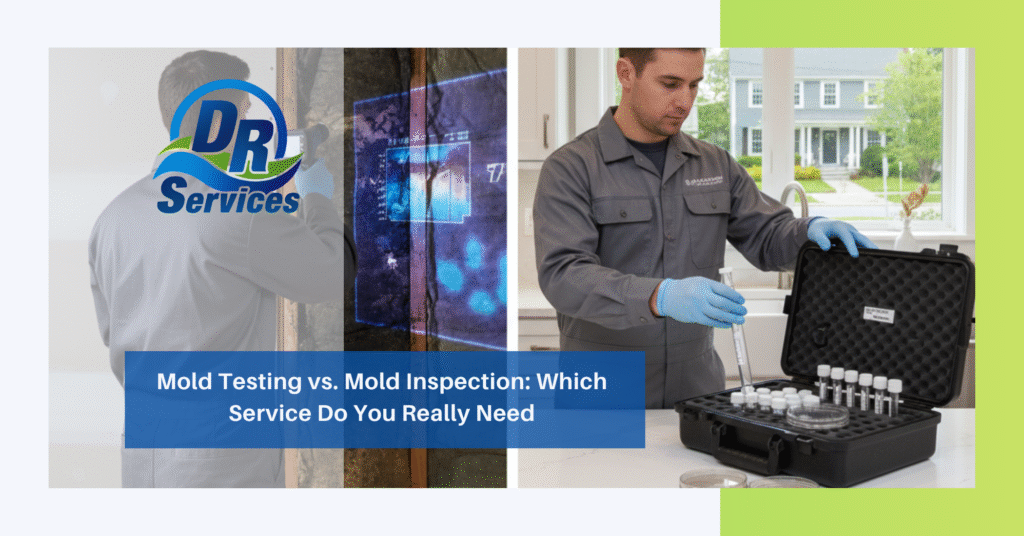
Mold testing measures the type and concentration of mold spores in the air or on surfaces. It does not locate mold sources or the extent of contamination; that’s what inspection is for.
When Mold Testing is Used:
1. To Identify Mold Species
Testing helps determine whether the mold present is:
- Allergenic
- Pathogenic
- Toxigenic (such as certain strains of Stachybotrys)
This is especially helpful when mold is not visible.
2. To Confirm Indoor vs. Outdoor Spore Levels
Mold naturally exists outdoors in Massachusetts. Testing helps identify unusual indoor levels.
3. During Real Estate Transactions
Many Easton buyers request mold testing for peace of mind before closing.
4. After Remediation
Testing confirms whether mold removal was effective and spore levels are normal again.
5. When Unexplained Odors Are Present
If you smell mustiness but see no visible mold, testing can confirm whether spore counts are elevated.
Types of Mold Testing
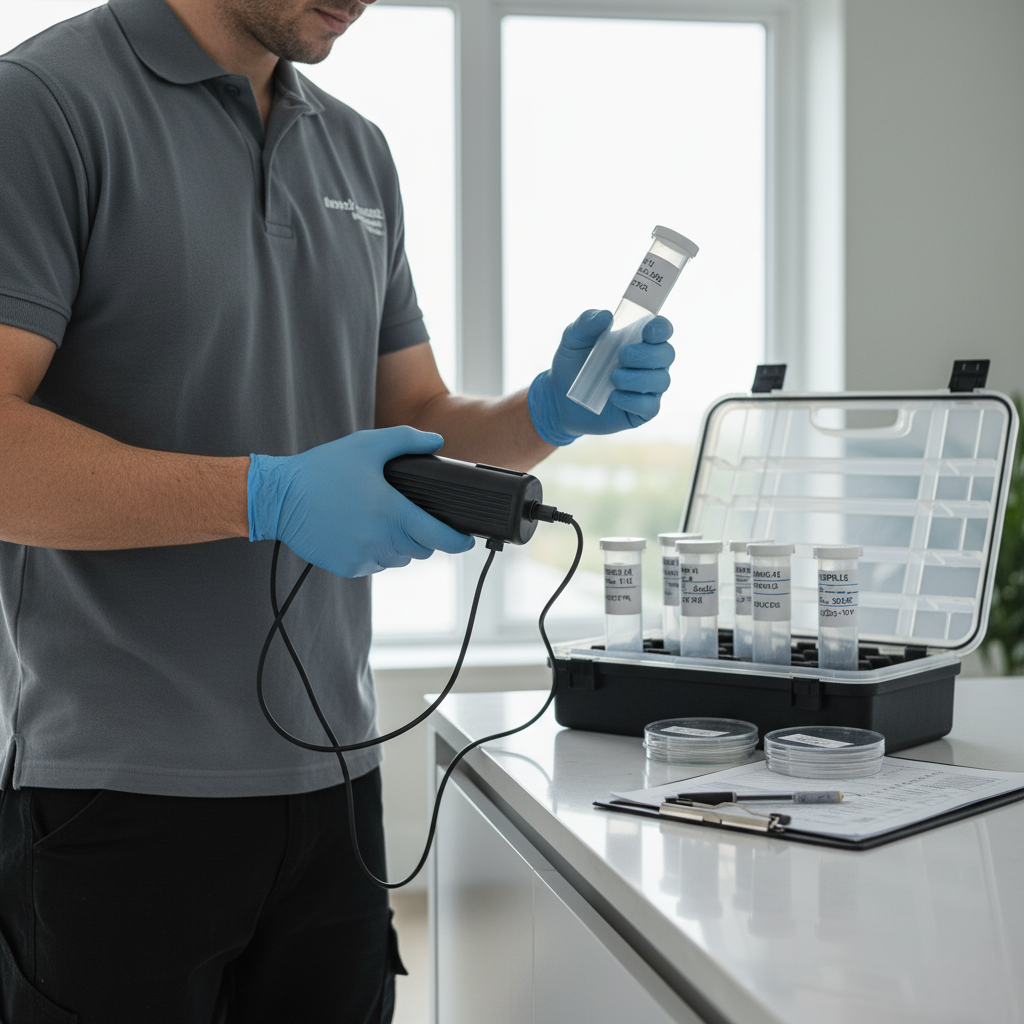
Professional mold testing can include:
1. Air Sampling
Collects airborne spores and measures their concentration.
2. Surface Swab Testing
Used on:
- Walls
- Furniture
- HVAC vents
- Tiles
3. Tape Lift Testing
Collects mold samples from visible growth for species identification.
4. Bulk Material Testing
Pieces of contaminated building materials are sent to a lab for analysis.
Mold Inspection vs. Mold Testing: Key Differences
| Feature | Mold Inspection | Mold Testing |
|---|---|---|
| Purpose | Find mold & moisture | Identify mold species & spore levels |
| Tools Used | Thermal cams, moisture meters | Air pumps, swabs |
| Checks Hidden Mold | Yes | No |
| Required Before Remediation | Yes | Not always |
| Used in Real Estate | Sometimes | Often |
| Determines Toxicity | No | Yes |
Which Do You Need in Easton, Massachusetts?
Here’s when to choose each service:
Choose Mold Inspection If:
You See Visible Mold
If you already see mold, testing is unnecessary. You know it’s there; now you need to know how far it has spread.
You Suspect a Leak or Moisture Problem
Inspection finds the source before the situation worsens.
Your Basement Smells Musty
Easton’s older basements often hide mold behind walls and insulation.
You Have Recent Water Damage
Such as:
- Flooded basement
- Roof leak
- Burst pipe
- Winter ice dams
Inspection determines the full extent of moisture impact.
You Are Planning Remediation
Professionals must inspect first to determine the correct removal approach.
Choose Mold Testing If:
You Need Documentation (e.g., real estate sale)
Buyers often request mold testing results.
You Suspect Mold but Don’t See It
Testing can confirm whether spore counts are elevated.
You Want to Identify the Mold Species
Helpful when health-sensitive individuals live in the home.
You Want Post-Remediation Verification
Testing confirms that the cleanup was successful.
Why Professionals Should NEVER Skip the Inspection Step
Even if you want mold testing, inspectors must visually evaluate your home first.
Skipping inspection leads to:
- Incomplete test results
- Missed problem areas
- Wrong treatment plan
- Mold returning after remediation
A thorough inspection is the foundation of proper mold elimination.
Why DIY Mold Testing Kits Don’t Work in Easton Homes
Over-the-counter mold kits are unreliable and misleading. They fail because:
- They don’t distinguish between indoor vs. outdoor spores
- All homes show mold on DIY plates, making results meaningless
- They do not measure concentration levels
- They do not check moisture sources
- They cannot detect hidden mold behind walls
Only professional services provide accurate, actionable results.
How Local Conditions in Easton, MA Influence Mold Growth
Easton’s climate significantly increases mold risk due to:
- Spring and fall humidity
- Older home construction
- Poor basement drainage
- Snowmelt seeping into foundations
- Seasonal storm, heavy rains
Professional mold services understand these regional challenges and tailor their inspections accordingly.
Benefits of Hiring Mold Inspection & Testing Professionals in Easton
Pinpoint hidden mold sources
Prevent future structural damage
Create a clear action plan
Ensure safe, thorough remediation
Provide documentation for insurance or real estate
Improve indoor air quality
Offer long-term moisture prevention strategies
Professional services not only address the problem, they prevent it from returning.
Call to Action
If you’re unsure whether you need mold testing, mold inspection, or both, our Easton, Massachusetts mold specialists can guide you to the right service. We identify hidden moisture, test for elevated spores when needed, and create a clear plan for safe, effective remediation. Contact us today to schedule a professional mold assessment and protect your Easton home from long-term damage.