Introduction: Understanding the Importance of Mold Control
Mold is more than an unsightly nuisance; it can cause serious structural damage and health issues if left untreated. In Easton, Massachusetts, where humidity and seasonal moisture can create ideal conditions for mold growth, homeowners need to understand the proper steps to protect their homes.
Two key terms often used in mold management are mold mitigation and mold remediation. While they are related, they serve different purposes and are used at different stages of mold control. Knowing the difference can save homeowners time, money, and stress while ensuring a healthy living environment.
What is Mold Mitigation?
Mold mitigation is the preventive approach to controlling mold growth before it becomes a major problem. The goal is to reduce the conditions that allow mold to thrive, keeping homes safe and preventing future infestations.
Key Aspects of Mold Mitigation:
- Moisture Control: Fixing leaks, improving ventilation, and using dehumidifiers to reduce excess humidity.
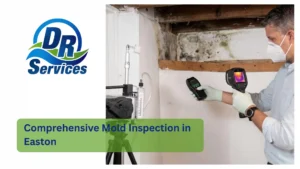
- Regular Inspections: Routine checks of basements, attics, crawl spaces, and bathrooms for early signs of mold.
- Material Maintenance: Sealing or replacing water-prone materials, like drywall or insulation, to prevent mold-friendly environments.
Tip: Mold mitigation is about stopping mold before it starts, not cleaning existing infestations.
What is Mold Remediation?
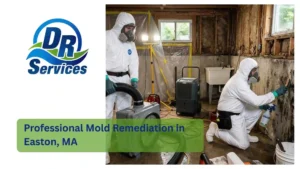
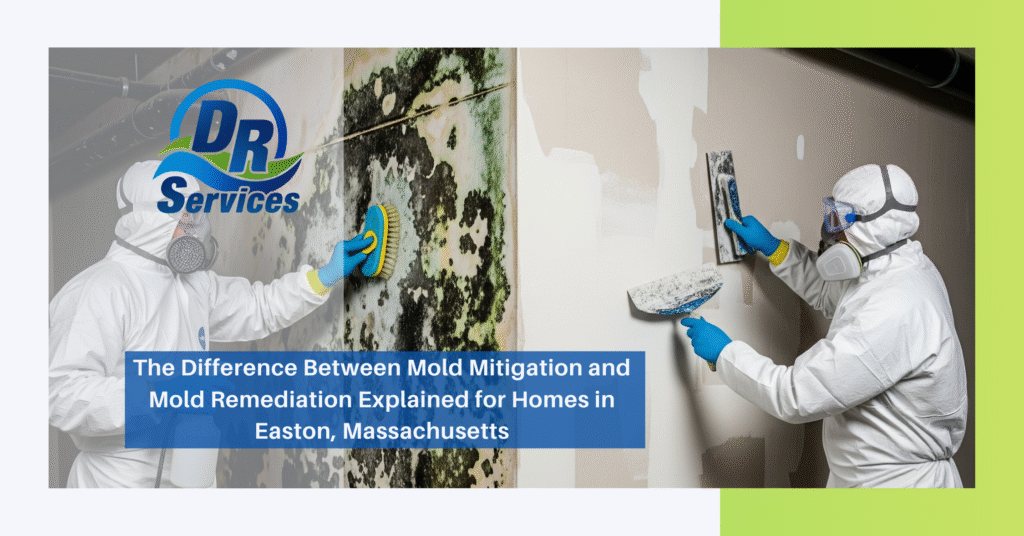
Mold remediation, on the other hand, is the reactive process used when mold has already been discovered. Its goal is to safely remove mold, clean affected areas, and restore the home to a healthy condition.
Key Aspects of Mold Remediation:
- Assessment and Containment: Identifying the source and affected areas, then containing mold to prevent spread.
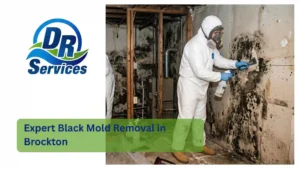
- Removal of Mold-Infested Materials: Safely discarding drywall, insulation, or flooring that is heavily contaminated.
- Deep Cleaning and Disinfection: Using specialized cleaning agents and techniques to remove mold spores from surfaces.
- Restoration: Repairing and replacing damaged structures while preventing future mold growth.

Mold Mitigation vs. Mold Remediation: The Key Differences
| Feature | Mold Mitigation | Mold Remediation |
|---|---|---|
| Purpose | Prevent mold growth | Remove existing mold |
| Timing | Before mold appears or spreads | After mold is detected |
| Methods | Restores home and resolves the current infestation | Removal, cleaning, restoration |
| Cost | Generally lower | Can be higher depending on damage |
| Outcome | Restores the home and resolves the current infestation | Reduces the risk of future mold |
Understanding these differences helps homeowners in Easton, MA, decide whether preventive measures or full remediation is needed.
Why Both Are Important for Easton Homes
Easton homes face seasonal humidity and occasional flooding, which increases the risk of mold growth. Combining mitigation and remediation ensures:
- Healthier indoor air quality
- Preservation of structural integrity
- Long-term cost savings by preventing repeated infestations
- Peace of mind for homeowners
Ignoring mold issues or relying solely on one approach can lead to recurring problems and increased expenses over time.
DIY Tips for Mold Prevention
While professional services are essential for serious mold issues, homeowners can take these steps for prevention:
- Fix leaks promptly in roofs, windows, or plumbing.
- Improve ventilation in bathrooms, kitchens, and basements.
- Use dehumidifiers during humid seasons.
- Clean gutters and downspouts to prevent water accumulation near foundations.
- Monitor indoor humidity with a hygrometer and keep it below 50%.
When to Call Professionals
Mold can spread quickly, and improper handling may make it worse. Homeowners should call licensed mold remediation experts in Easton, Massachusetts if:
- Mold covers more than 10 square feet
- There is persistent moisture or leaks
- Mold is found in HVAC systems
- There are health symptoms like respiratory issues or allergies linked to mold exposure
Professionals ensure safe removal, proper cleaning, and prevention strategies for the future.
Conclusion
Mold mitigation and mold remediation are two sides of the same coin: one prevents mold growth, while the other addresses it after it appears. Homeowners in Easton, MA, benefit most when both strategies are employed, reducing risks, protecting health, and preserving property value. By understanding the differences and knowing when to act, you can keep your home safe, clean, and mold-free.
Reach Out to Us
Concerned about mold in your home? Our Easton, Massachusetts mold mitigation and remediation experts are here to help. From preventing mold growth to safely removing existing infestations, we provide professional solutions that protect your home and family.
Contact us today to schedule a consultation and ensure your home remains healthy and mold-free.